Junglezou: A Quirky Sans Serif for Standout Web Design
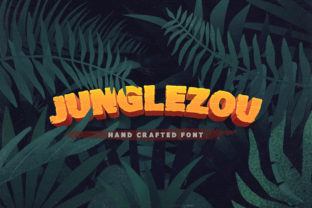
In the crowded landscape of digital design, finding a typeface that balances personality with usability is often the hardest challenge. We spend hours tweaking padding, adjusting line heights, and selecting color palettes, yet the font remains the silent ambassador of your brand’s voice. Enter Junglezou, an enchanting sans serif font that embodies fun, quirkiness, and authenticity. For web designers and UI creators looking to inject character into their layouts without sacrificing readability, this creative font offers a compelling solution.
Junglezou is not just another decorative display font; it is a strategic design asset. Its unique letterforms bring a sense of whimsy that can transform standard web pages into memorable experiences. Whether you are building a landing page for a SaaS startup, designing a boutique online store, or crafting a personal portfolio, Junglezou provides the visual hook needed to capture attention immediately. It stands out as a premium font option for those who want their digital presence to feel human, approachable, and distinctly modern.
The Personality of Junglezou in Digital Layouts
When we talk about font pairing and visual hierarchy, the goal is always to guide the user’s eye. Junglezou excels at creating a strong initial impression. Its quirky nature makes it ideal for hero sections where you need to stop the scroll. Unlike rigid corporate typefaces, Junglezou feels alive. It has a handcrafted quality that suggests authenticity, which is crucial for brands aiming to build trust with their audience.
This sans serif font works particularly well in contexts where brand tone needs to be playful yet professional. Imagine a coaching website or a creative agency’s homepage. Using Junglezou for main headlines allows the content to breathe while maintaining a consistent online identity. The font’s structure ensures that even with its unique flair, it remains legible on screens of all sizes. This balance is what separates a good creative font from one that is merely gimmicky.
Ideal Use Cases for Website Headers and Banners
Junglezou shines brightest when used sparingly as a headline or title element. Here are some practical applications where this typeface can elevate your web design:
- Creative Portfolios: Use Junglezou for your name or project titles to showcase individuality. It signals to visitors that you value creativity and detail.
- Boutique Online Stores: For fashion, home decor, or handmade goods, this font adds a touch of warmth and artisanal charm to product banners and sale announcements.
- Course Sales Pages: In the ed-tech space, Junglezou can make educational content feel less intimidating and more engaging, encouraging sign-ups through a friendly aesthetic.
- Digital Ads and Social Graphics: As a versatile design asset, it performs well in static images for social media campaigns, where quick readability and high impact are required.
By reserving Junglezou for these focal points, you maintain a clean reading experience for body text while allowing the brand’s personality to shine through in key moments. This approach supports conversion-focused layouts by drawing attention to calls-to-action and value propositions without overwhelming the user.
Readability and Responsive Design Considerations
As web designers, our primary responsibility is accessibility and performance. While Junglezou is a display font, its sans serif construction ensures it holds up well in responsive layouts. However, like any distinctive typeface, it requires thoughtful implementation to ensure optimal readability across devices.
On mobile screens, where space is limited, large blocks of text in Junglezou can become difficult to scan. Therefore, it is best suited for short phrases, section headings, and button labels rather than paragraphs of copy. When using Junglezou on dark backgrounds or over image overlays, ensure sufficient contrast. The quirkiness of the letters should not compromise legibility. Test your designs at various breakpoints to confirm that the font retains its shape and clarity on smaller viewports.
For supporting typography, simplicity is key. Pairing a decorative display font like Junglezou with a simple sans serif font for body copy creates a harmonious balance. The neutral nature of a basic sans serif allows the eyes to rest after processing the boldness of the headline. Alternatively, for a more editorial digital identity, you might pair Junglezou with a classic serif font. This combination can lend a sophisticated, magazine-like feel to blog headers or long-form content sections.
Font Pairing Strategies
- Junglezou + Clean Sans Serif: Ideal for tech startups, apps, and modern e-commerce sites. This pairing emphasizes clarity and speed.
- Junglezou + Elegant Serif: Perfect for lifestyle blogs, luxury brands, or editorial portfolios. This creates a juxtaposition between playfulness and seriousness.
- Junglezou + Monospace: A niche choice for creative coders or retro-themed projects, adding a layer of technical irony to the design.
When selecting a partner font, look for one that shares similar x-heights or proportions with Junglezou to create a cohesive typographic system. This attention to detail enhances the overall professionalism of your web design, ensuring that the brand identity feels intentional rather than accidental.
Technical Specifications and Licensing
Before integrating Junglezou into your projects, it is essential to review the technical details provided by the foundry. Check for included styles such as italics, bold weights, and alternate characters. These variations can add depth to your designs, allowing for subtle emphasis within headings. Additionally, verify the file formats available. Modern web development relies heavily on webfont availability, so ensure the package includes WOFF2 files for optimal loading performance.
Multilingual support is another critical factor if your audience is global. Confirm whether Junglezou supports the specific character sets you need, such as extended Latin or other language scripts. If your project involves international clients, a lack of multilingual support could limit the font’s utility.
Licensing is perhaps the most overlooked aspect of using premium fonts. Always check the commercial font license terms. Most premium fonts allow use in websites, client projects, and digital templates, but restrictions may apply to embedding in software or resale as standalone assets. For online stores and landing pages, a standard web license is usually sufficient. However, if you are creating a brand kit or logo design that will be widely distributed, ensure the license covers those specific use cases. Proper licensing protects both you and your clients from legal issues and supports the continued creation of high-quality design assets.
Elevating Brand Identity with Junglezou
In a digital world saturated with generic templates, Junglezou offers a path to differentiation. It helps establish a distinct brand identity that resonates with users on an emotional level. By choosing a font that embodies fun and authenticity, you signal to your audience that your brand is approachable and confident.
Whether you are redesigning an existing site or launching a new venture, consider how typography influences user engagement. Junglezou can turn a standard header into a statement. It can make a call-to-action button irresistible. It can give a blog post a voice before the first word is even read. For web designers, UI designers, and digital product creators, incorporating Junglezou into your toolkit means having a reliable way to inject personality into every pixel. It is a small change with a significant impact on how your work is perceived, helping you stand out in a competitive market.
Ultimately, the best fonts are those that serve the content while enhancing the brand. Junglezou does exactly that. It respects the principles of good design—clarity, hierarchy, and usability—while daring to be different. As you explore modern typography options, keep Junglezou in mind for projects that demand a blend of creativity and functionality. It is more than just a font; it is a tool for storytelling in the digital realm.